Sales admin automation
CRM Hygiene and Follow-up Assistant
After every call, prepare CRM updates, activity logs, follow-up tasks and email drafts without making salespeople do more admin.
CRM updatesFollow-up tasksHuman approval
Read moreAI Automation Use Cases
You do not need AI everywhere. You need to know which parts of your sales and operating process are costing time, losing context or creating missed opportunities.
Zero2Five helps founder-led businesses find, scope and build practical AI automation around sales, CRM, follow-up, proposals, reporting and customer workflows.

The positioning
Automation works when the workflow, ownership and approval points are clear. We identify where your business is leaking time, context or revenue, then scope the right automation around the systems you already use.
We do not sell generic AI tools.
We start by finding where your business is leaking time, context or revenue.
We design human approval points so AI does not act blindly on your behalf.
We connect the tools you already use where possible.
We only automate workflows that are clear enough to automate safely.
Workflow library
Practical workflow patterns for founder-led businesses that need better visibility, follow-up and control. Each one can be scoped around the systems and approval points already inside the business.
Start with the workflow, not the tool.
The best AI automation opportunities are usually reporting, follow-up, handover or visibility problems that already happen every week.
Sales admin automation
After every call, prepare CRM updates, activity logs, follow-up tasks and email drafts without making salespeople do more admin.
Sales visibility automation
A Monday briefing that turns CRM activity, pipeline changes, stale deals, missed follow-ups and key calls into plain-English recommended actions.
Outbound and pipeline automation
Connect data sources, CRM, AI research, email and LinkedIn workflows into a controlled outbound engine with deliverability checks.
Featured use cases
These use cases cover internal efficiency, revenue recovery and new pipeline. Each one keeps the human in control while removing the blank-page or manual-review work that slows teams down.
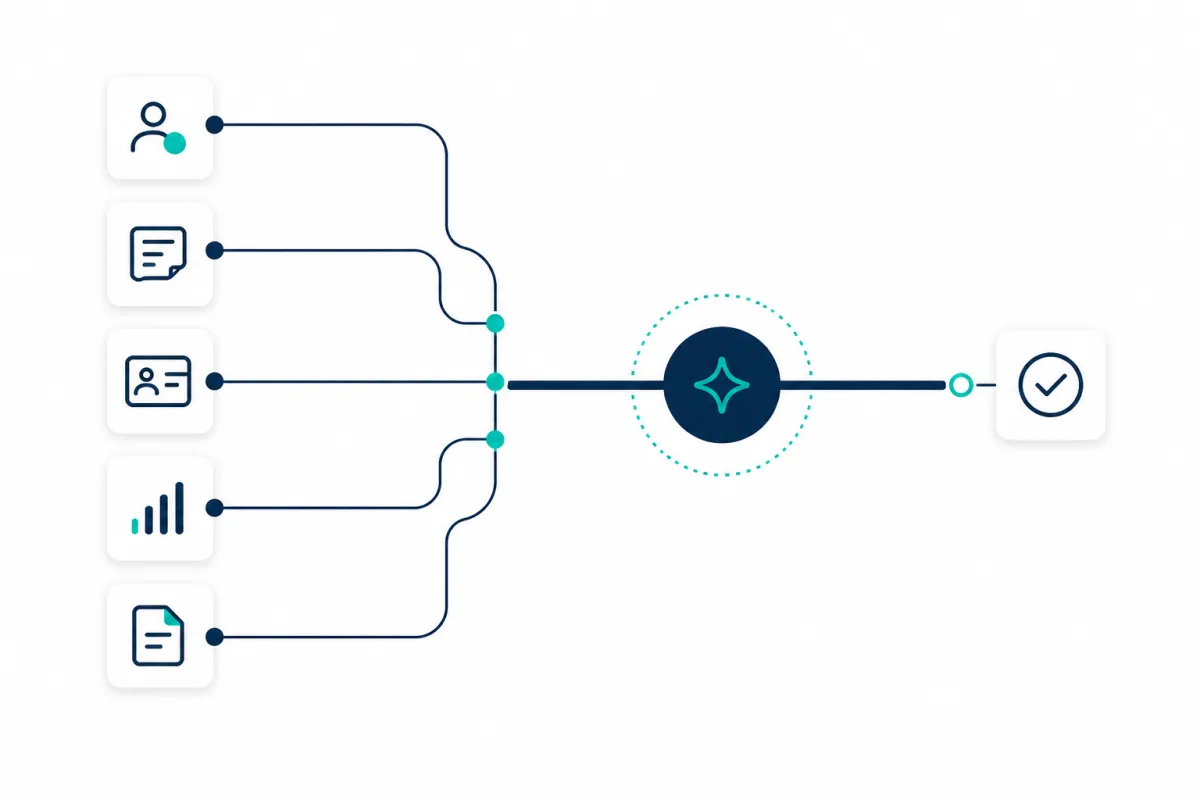
Document automation
Turn CRM data, discovery notes and your proposal structure into a polished proposal draft, ready for human review.
Proposals take too long and depend on whoever remembers the discovery call best.
Pulls deal data, meeting notes, previous proposal examples, brand guidelines and pricing information into a structured proposal draft.
HubSpot, Pipedrive, Salesforce, Granola, Fireflies, Teams, Google Docs, Word, Notion, Slack and Teams.
The proposal is drafted for review. It is not sent automatically.
Best fit
Service businesses, agencies, consultancies, logistics, professional services and B2B teams sending regular proposals.
Typical first step
Review your current proposal process and build a reusable proposal brief.
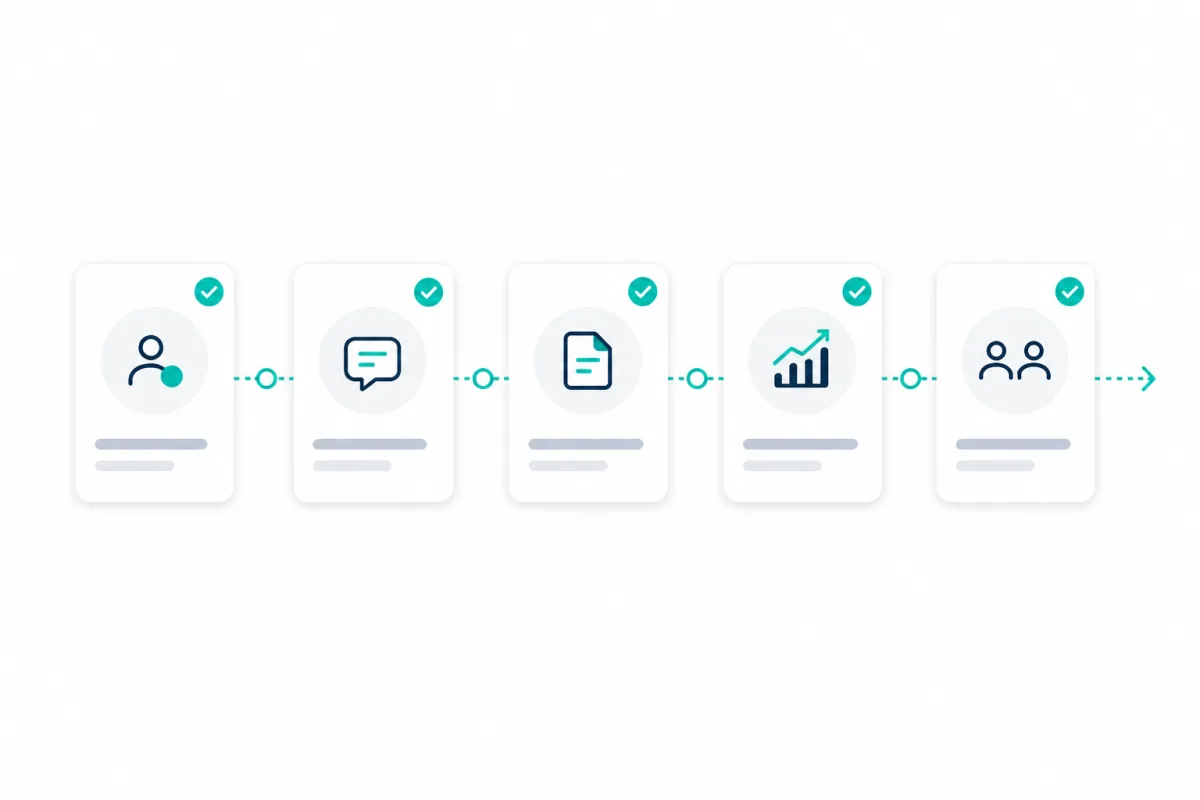
Revenue opportunity automation
Review sales calls and CRM notes to find cross-sell, upsell, referral and follow-up opportunities your team may have missed.
Salespeople focus on the immediate deal and miss future buying signals, personal context or expansion opportunities.
Reviews call transcripts and CRM data for buying signals, renewal risks, objections, follow-up actions and opportunity flags.
Call recording tools, meeting note tools, CRM, Slack, Teams, email and task systems.
The automation recommends actions. The salesperson decides what to do.
Best fit
Travel, events, hospitality, agencies, B2B services, financial services, recruitment and managed service providers.
Typical first step
Run a sample of recent calls through an opportunity review and define the signals worth tracking.
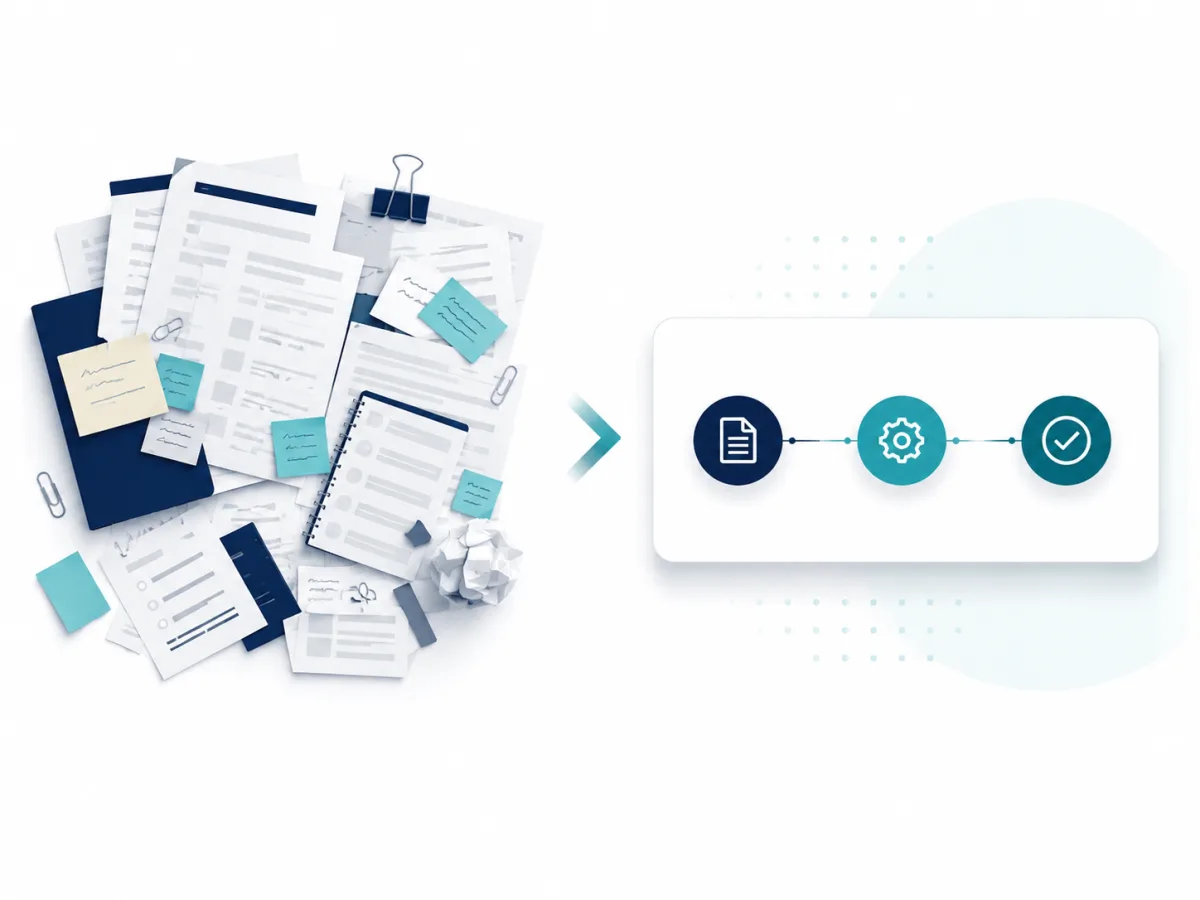
Pipeline automation
Feed in a company URL or target list and get the research, ICP fit, outreach angle and first message draft.
Targeted outbound takes too long. Researching companies, finding the right angle and writing relevant messages is slow.
Researches company profile, leadership, positioning, likely pain points, trigger events and creates outreach drafts.
Company websites, LinkedIn research, CRM, spreadsheets, Apollo, Clay, Sales Navigator and outbound tools where appropriate.
The user approves the research and sends manually, or pushes approved contacts into an outbound tool.
Best fit
Founder-led businesses, fractional sales teams, consultants, agencies and niche B2B services.
Typical first step
Test a small target list and compare the research quality, outreach angle and time saved.
Productised scoping areas
Most automation opportunities sit inside one of these categories. The right starting point depends on where the business is losing time, visibility or revenue.
For businesses losing time to CRM updates, meeting notes, follow-up drafts, handovers and weekly reporting.
For businesses missing cross-sell, upsell, renewal, referral and customer expansion opportunities already inside their data.
For teams that need more pipeline but want research, ICP scoring and message preparation before anyone sends anything.
For businesses wasting time creating proposals, sales decks, statements of work, case studies and on-brand content.
How we scope automation
Founders often know something is inefficient, but not what is possible or what should be automated first. We turn that uncertainty into a practical roadmap and, where useful, a contained pilot.
Define where a person reviews, edits or approves before anything important is sent or changed.
Make the process clear enough for automation to follow without creating extra admin.
Design the prompts, inputs, outputs and fallback rules that make the workflow reliable.
Build around how people already work so the automation gets used after launch.
Indicative packages
Pricing depends on workflow complexity, tool access, data quality and the level of testing required. These ranges are a useful starting point.
£750 to £1,500
Best for clients who know they are inefficient but do not know where to start.
£1,500 to £3,000
Best for clients with a clear workflow they want to automate properly.
£3,000 to £10,000
Best for one contained workflow where the value and approval points are clear.
£1,000 to £3,000 per month
Best once the first workflow is live and you want support extending automation across the business.
Systems we can work around
The right stack depends on the workflow. We usually start by reviewing the systems already in place before recommending anything new.
The key message
That is the Zero2Five wedge. We help founder-led businesses fix the sales system first, then automate the work that should not need human effort.
Straight answers before scoping your first practical automation workflow.
An AI Automation Scoping Sprint is a focused review of one workflow you may want to automate. It maps the current process, designs the future workflow, checks tool and data readiness, defines human approval points and produces a build specification with risks and an implementation estimate.
No. Many founder-led businesses know they are losing time or missing follow-up, but do not know where automation should start. The Automation Opportunity Audit is designed to identify and prioritise the best first use cases.
Not by default. Zero2Five usually designs human-in-the-loop workflows where AI prepares drafts, summaries, tasks or recommendations, and a person reviews before anything important is sent or changed.
AI automation only works when the business process is clear enough to automate. Zero2Five can fix the sales process, CRM structure and workflow rules first, then automate the parts that should not need human effort.